
EP1 / Shaftless axial-flux propulsion

Thrust, weight and quietness. Engineered together.

EP1 combines axial-flux motor design, shaftless rim drive and dedicated control for marine robots and small electric vessels. We develop these together around useful thrust, installed weight, quietness and energy use.

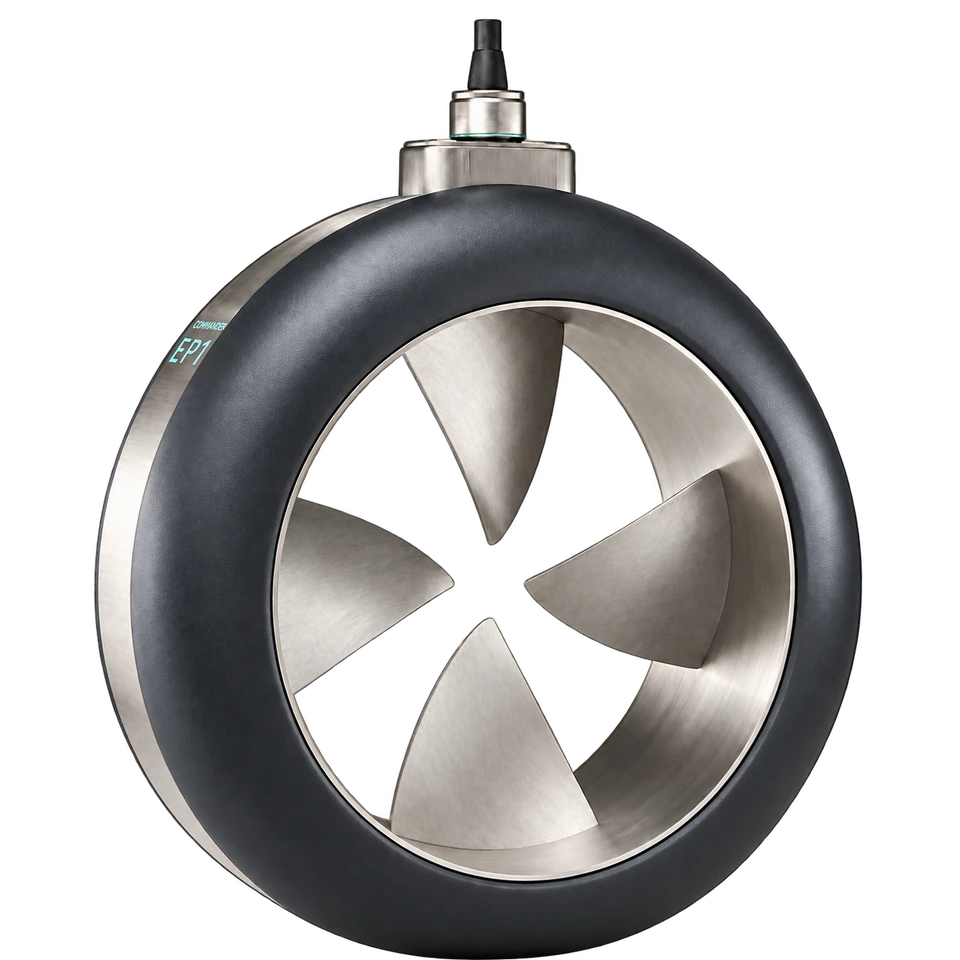
EP1 shaftless propulsion unit with a rim-driven rotor and short motor profile
Useful thrust
Match motor torque to the work in the water.
Low installed weight
Keep propulsion mass working for the vehicle.
Quiet operation
Address sound at the motor, rotor and blades.
Efficient energy use
Develop around cruise, holding and working duty.

Axial flux meets rim drive.

For USVs, AUVs, ROVs and small boats, the right propulsion depends on the task: cruising, maneuvering, holding position or applying sustained force underwater.

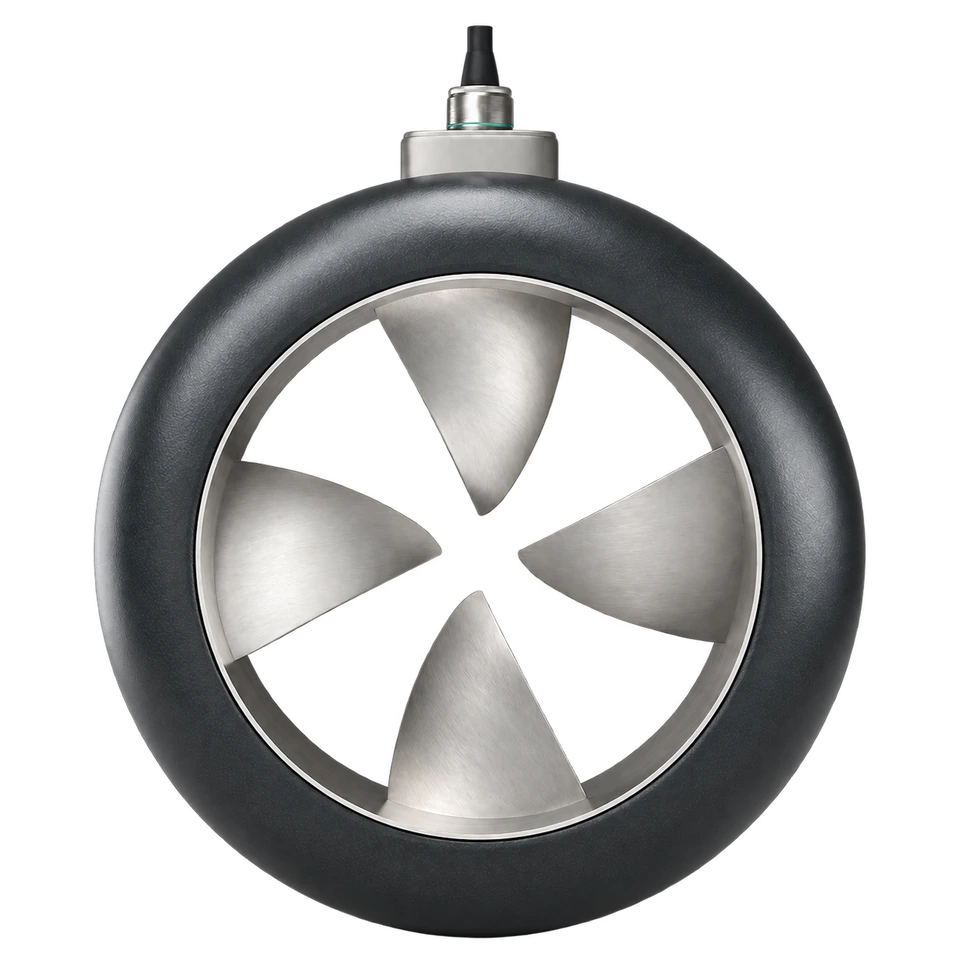
EP1 front view showing the open centre and rim-driven blades
Open centre / drive at the rim
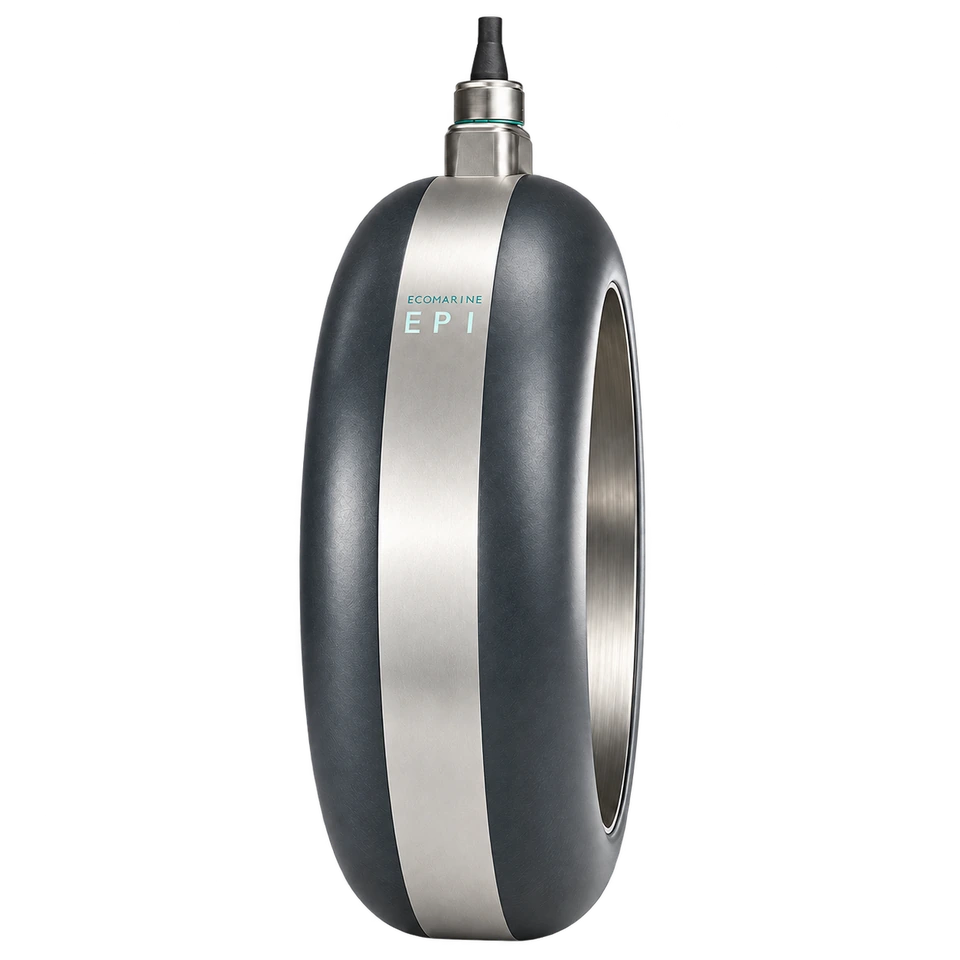
EP1 side view showing the short axial motor profile
Short axial profile

Axial flux. Torque in a short profile.

An axial-flux motor's magnetic field crosses the motor gap along the rotation axis. Its disc-like geometry supports a short axial profile and torque production across a large radius.

We develop this geometry around the propeller's torque and speed requirements. The aim is useful propulsion without unnecessary installed mass, with room for the batteries, instruments and equipment that make the vehicle useful.
Rim drive. An open centre.

EP1 drives the blade-carrying rotor at its outer rim. A central drive shaft does not pass through the propulsor, changing how the motor, blades and surrounding duct are arranged.

Removing the central shaft also removes a central wrapping point for rope and weed. We develop the flow opening, rotor clearances and surrounding structure around the debris conditions of the intended application.

Motor, blades and control. Developed together.

The propeller needs torque at the right speed. The motor and controller must supply it efficiently and smoothly. We develop these as a connected system rather than selecting each in isolation.

Our coreless-motor work removes the stator iron associated with cogging torque. We develop dedicated drive algorithms and compact electronics around the motor's low-inductance, sensorless-control requirements.

  1. Axial-flux motorTorque at the required speed.
  2. Rotor and bladesTorque into thrust.
  3. Dedicated controlElectrical input to motor output.

Four priorities. One propulsion system.

Thrust, weight, quietness and energy use. Developed together.

Useful thrust. Low weight.

Motor, blades, duct and control developed together around useful thrust and the weight your vehicle carries.

Quiet by design.

Coreless motor design and dedicated control address torque ripple. Blade and rotor development targets flow noise and vibration.

Energy for the task.

Motor, propeller and control matched to cruising, holding position and sustained surface work.

Built for continuous work.

Water-informed cooling and blade development address continuous loads, hydrodynamic losses and cavitation.

Start with the work your vehicle needs to do.

PlatformMain operating incentiveRequirements to discuss
Coastal/inland USVSustain progress and position; address shaft-related line/weed wrappingContinuous thrust at operating speed, current/wind, station keeping, debris exposure and mission energy
Cruising AUVSupport endurance and sensitive acoustic sensingElectrical energy at mission speed, self-noise at payload sensors, radiated noise, depth and hull interaction
Working ROVHold position and apply force at the work targetDirectional thrust and reversal, current/tether loads, tool/contact forces and continuous duty
Portable small boatUseful propulsion with manageable carried weight and quiet operationLoaded hull, intended speed, trip energy, installed/lift weight, battery and maneuvering

Share the requirements you know: supply voltage, thrust or vessel duty, continuous operation, installation envelope and control interface. We will discuss a suitable configuration and the engineering information needed for integration.

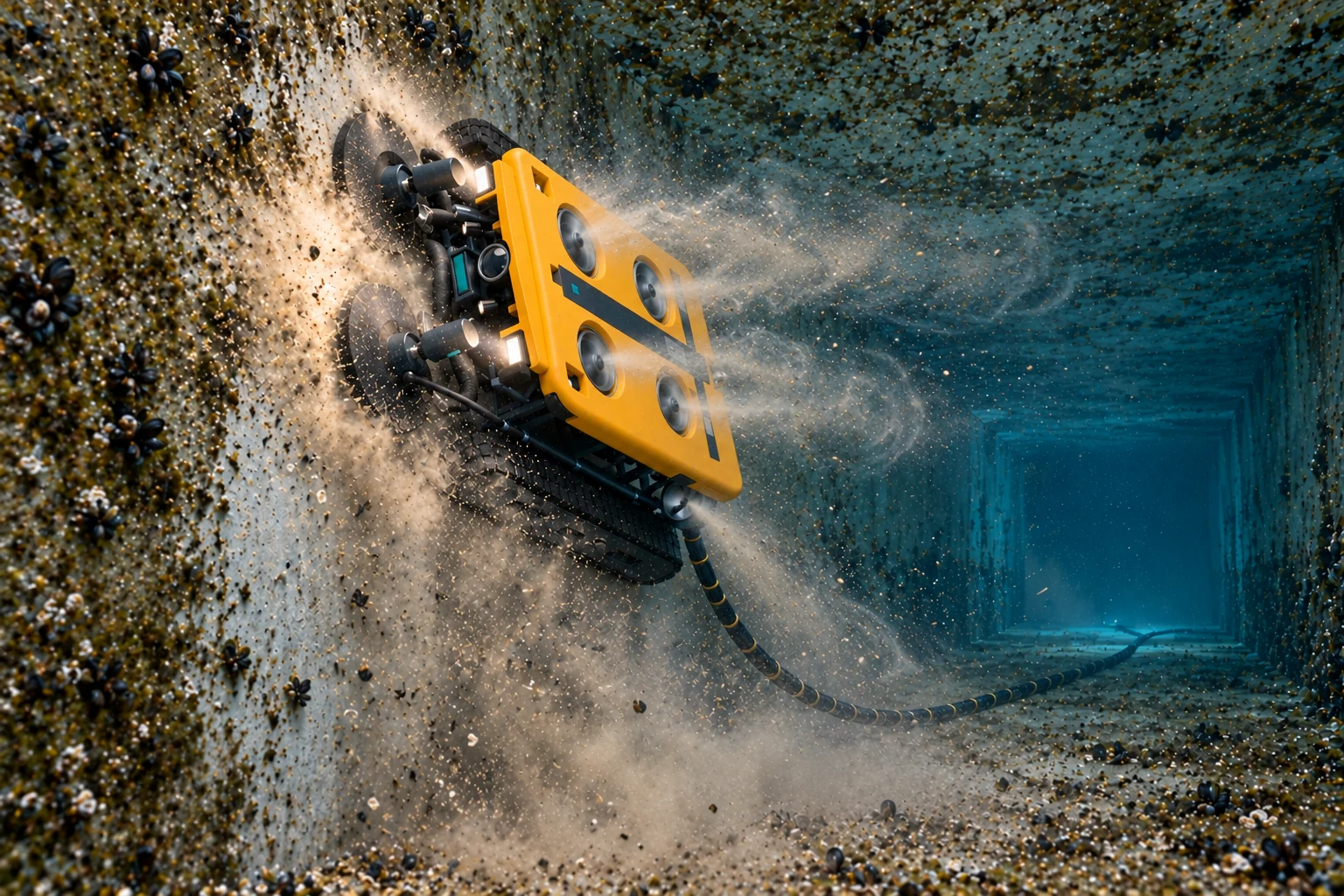
OmniBot applying EP1 contact thrust while cleaning a submerged wall

Movement is only part of the job.

OmniBot uses EP1 for swimming, maneuvering and surface contact during underwater inspection and cleaning. Hull-normal thrust supplies the contact force the tracks need for grip and the tools need for positioning.

That makes propulsion part of the work itself. We develop the robot and propulsion together around sustained force, energy use and control at the surface.

Explore OmniBot